Mole trap not working? The 7 mistakes that make trapping fail
25 November 2026
A properly set Putange trap catches the mole in one or two days. When nothing happens for a week, it’s almost never the trap: it’s the way it was set. Here are the seven mistakes we see most often, most of which we made ourselves before refining our method.
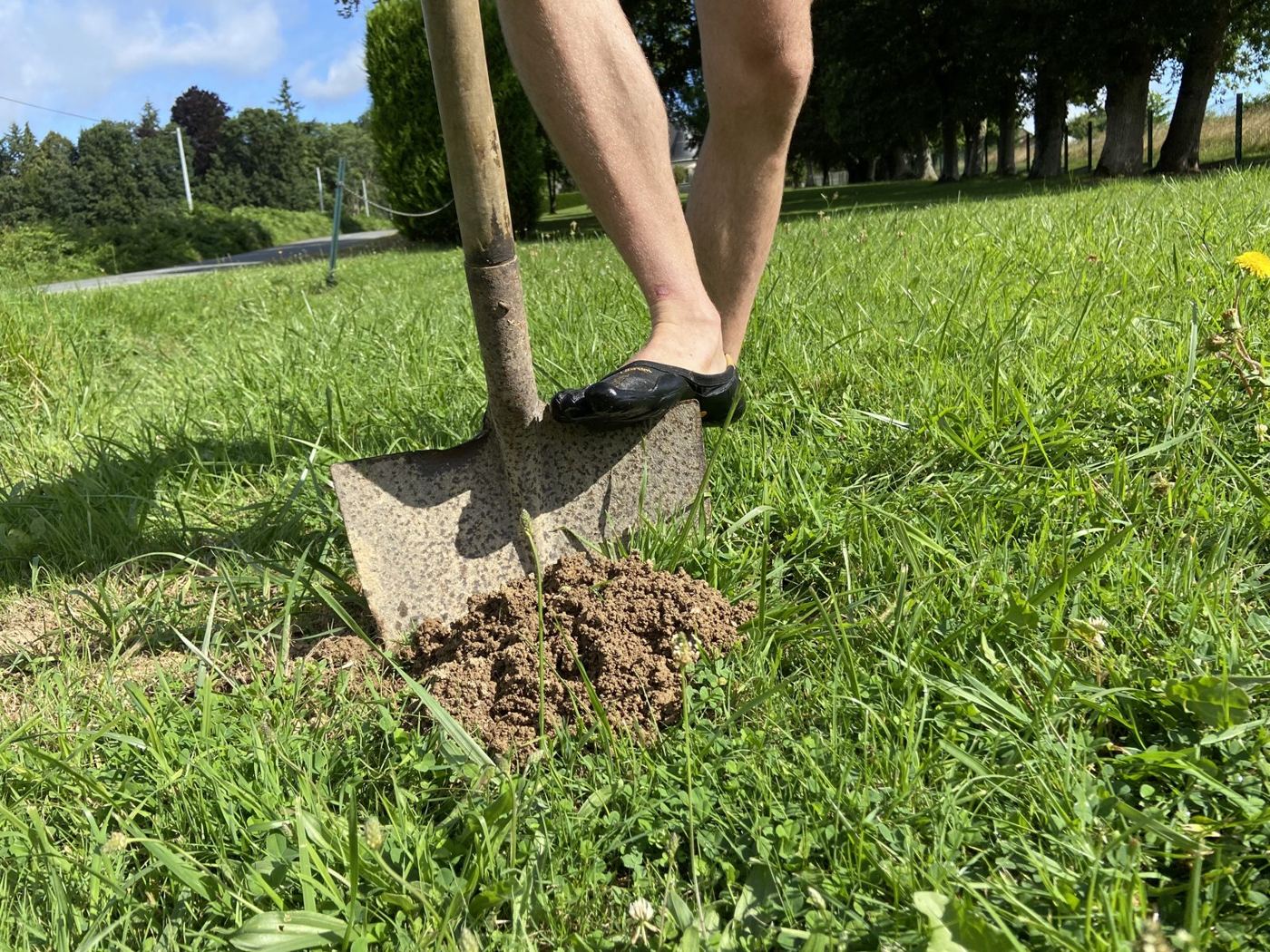
1. Trapping an old molehill
A packed-down, dry molehill with grass starting to grow back often sits on a tunnel the mole no longer uses. You can leave a trap there for a whole month.
The fix: always choose the freshest molehill, the one that appeared overnight or the day before, with dark, loose soil. If several mounds form a line, the mole is travelling between them: that’s the ideal spot.
2. Covering only one tunnel
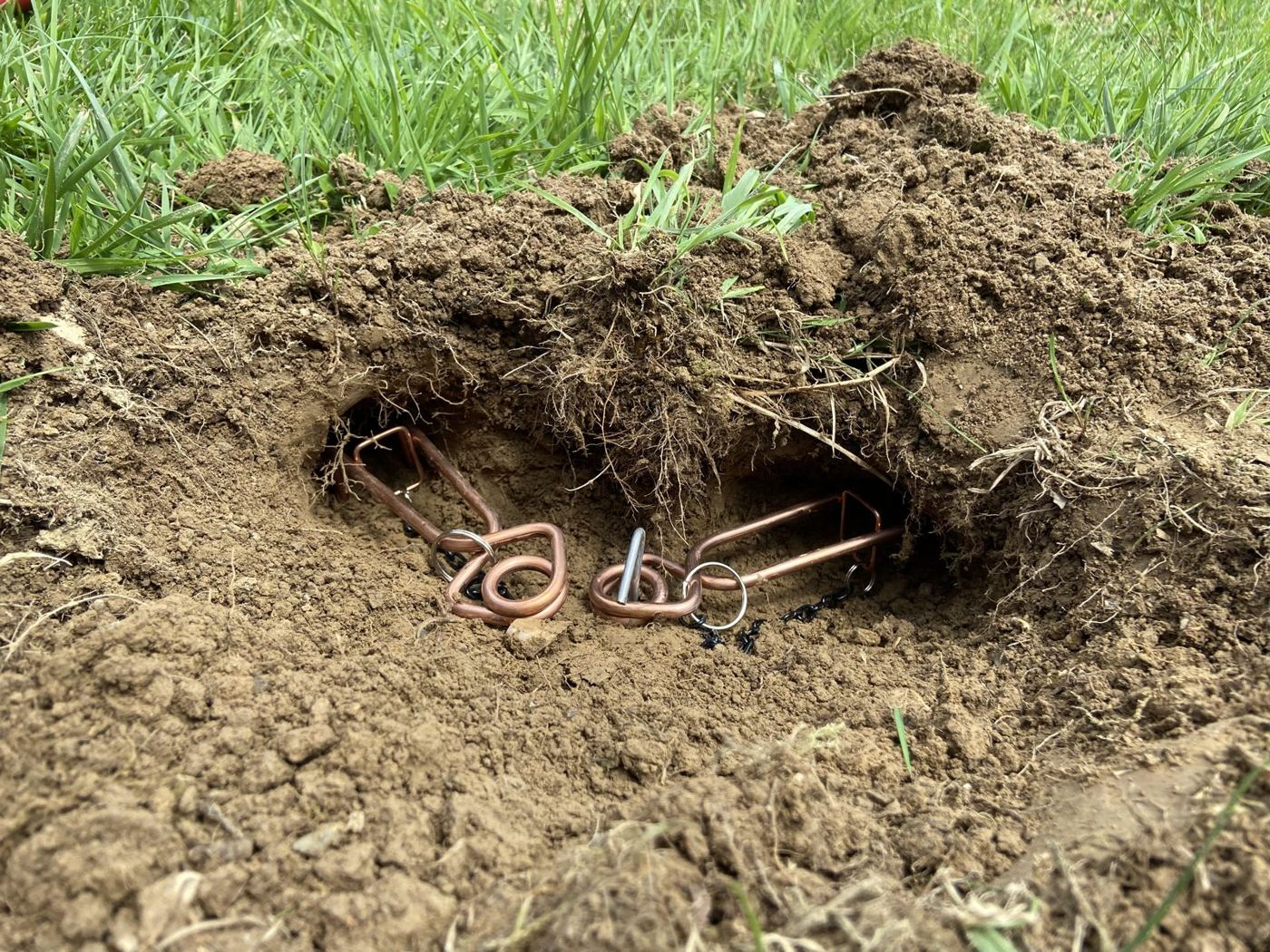
A Putange trap only catches the mole in one direction, when it arrives facing the trigger. And every molehill is connected to two tunnels, and the mole can come through either one. With a single trap, it has every chance of using the side that isn’t covered.
The fix: probe until you find both tunnels and place a trap at the entrance of each, to cover both directions. During our field test, both traps on one molehill each closed on a mole.
3. Letting light and air in
Moles live in the dark. If one senses light or a draught, it blocks the tunnel with soil, and the trap ends up jammed without ever going off.
The fix: always cover the hole with a board or thick cardboard, then add a little soil around the edges to make it completely dark.
4. Setting the trap in a badly cleared tunnel
If the tunnel entrance is too narrow or full of soil, the trap doesn’t open fully, or the mole pushes soil ahead of it instead of touching the trigger.
The fix: enlarge the entrance just enough for the trap to fit without forcing, remove any clods, and place it nicely in line with the tunnel.
5. Checking too often
Opening the hole every two hours lets light in every time and disturbs the mole, which ends up avoiding the area.
The fix: wait at least 24 hours before the first check, then check once a day at most. If the trap is still armed, close the hole and wait another day.
6. Not holding the trap in place
A caught mole can drag the trap deep into its tunnel. You then find an empty hole, with no idea whether the trap worked.
The fix: secure each trap with a metal rod pushed into the soil. Thanks to the chain, the trigger stays attached to the trap too: you get all your kit back.
7. Giving up too soon… or persisting in the wrong place
Two opposite mistakes. Some people remove their traps after 24 hours; others leave them in the same spot for three weeks with no result.
The fix: give a spot at least two or three days. With no catch and no new activity after three or four days, move the traps to the most recent molehill. Moles don’t hibernate and stay active all year round: there’s always a fresh tunnel to find.
What if the problem is the trap?
It happens, especially with cheap traps. Wire that’s too thin bends out of shape when you arm it, the arms no longer grip hard enough and the mole gets out. Our traps are made in France from rigid 5.5 mm copper-plated steel wire, precisely so they keep their strength from one season to the next.
Also check that the trigger is properly centred between the two arms when you arm the trap: it’s all explained in how to assemble and arm a Putange trap. And to start setting from scratch, follow our 8-step guide.